As the prime port town of the French Riviera, Nice attracts beachgoers, history buffs and high culture seekers who come to vacation on its Mediterranean shores. There’s definitely more to this quirky city than a pebbly waterfront, pastel-colored buildings and palm trees waving in the breeze. Nice is also well known for its nightlife. The city is full of bars and venues, both well-known and hidden, to party until the end of the night.
Vieux Nice
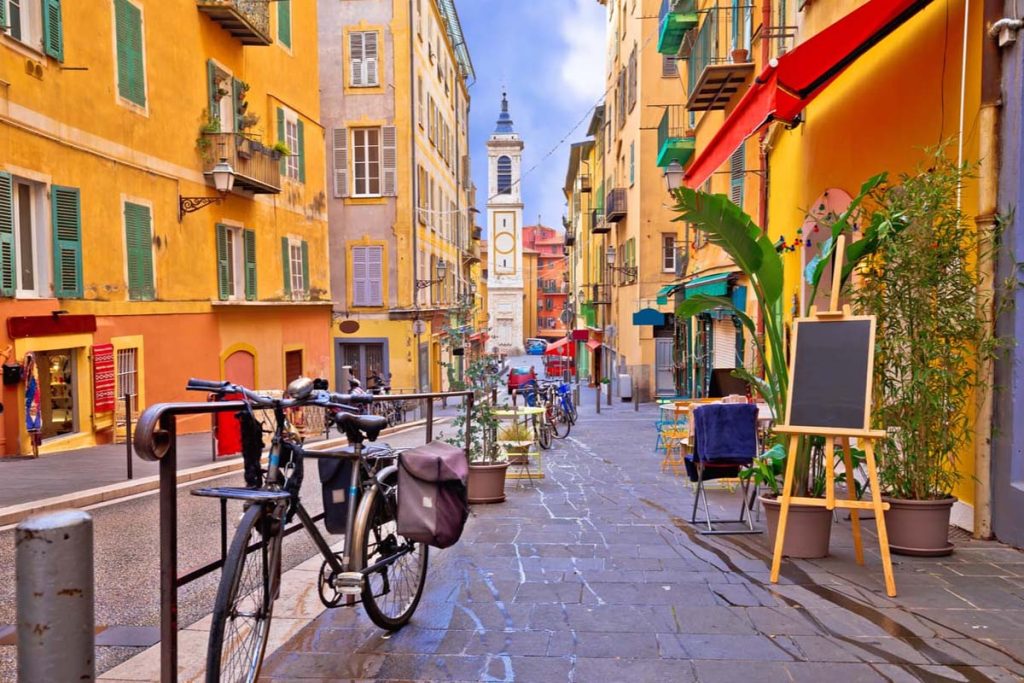
Getting lost among the dark, narrow, winding alleyways of Nice’s old town is a highlight. The layout has barely changed since the 1700s, and it’s now packed with delis, restaurants, boutiques and bars, but the centrepiece remains cours Saleya: a massive market square that’s permanently thronging in summer. The food market is perfect for fresh produce and foodie souvenirs, while the flower market is worth visiting just for the colours and fragrances. A flea market is held on Monday.
Baroque aficionados will adore architectural gems Cathédrale Ste-Réparate, honouring the city’s patron saint; exuberant 16th-century Chapelle de la Miséricorde; and 17th-century Palais Lascaris, a frescoed riot of Flemish tapestries, faience (tin-glazed earthenware), gloomy religious paintings and 18th-century pharmacy.
There’s also a lively – and very smelly – fish market on place St-François.
Promenade des Anglais
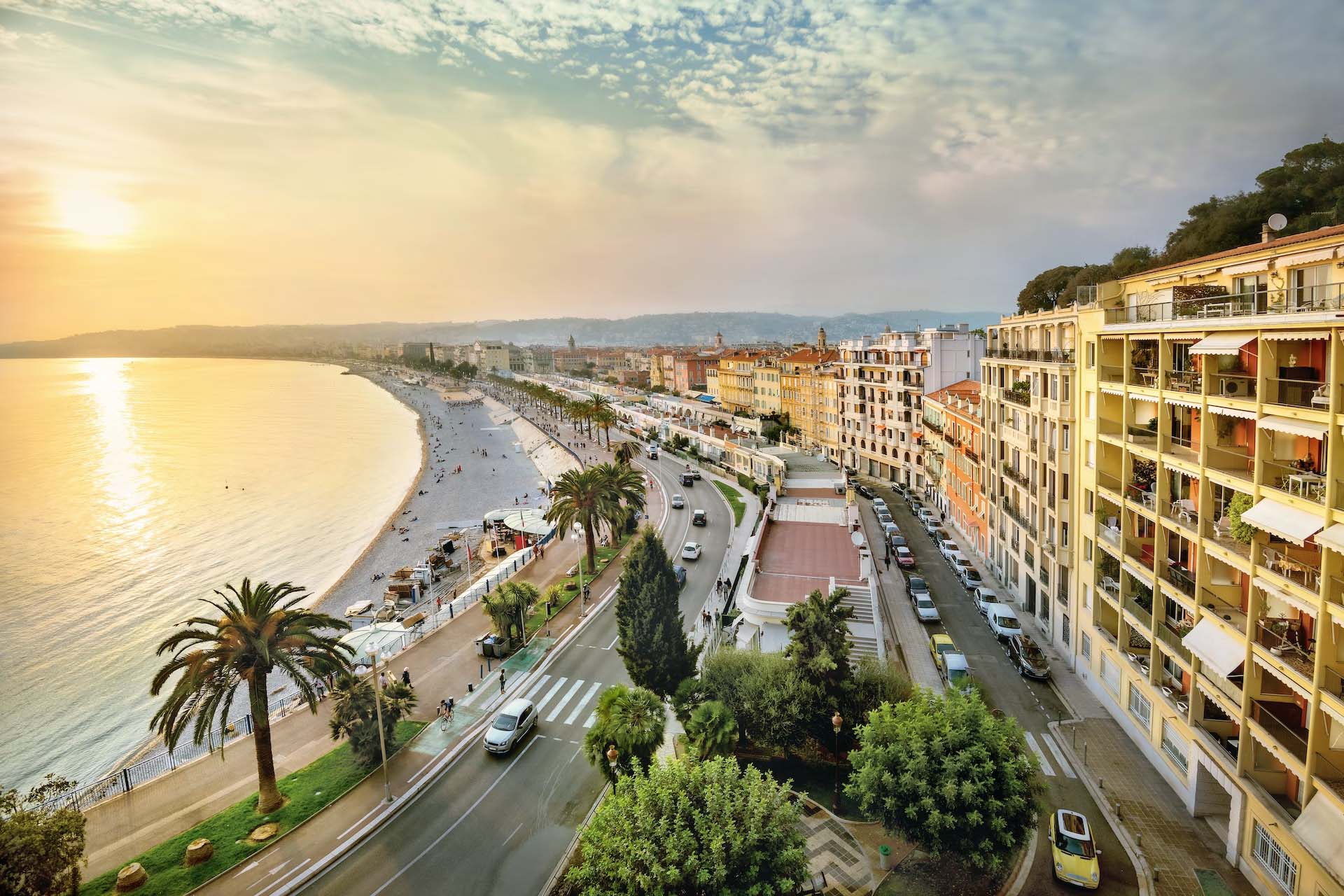
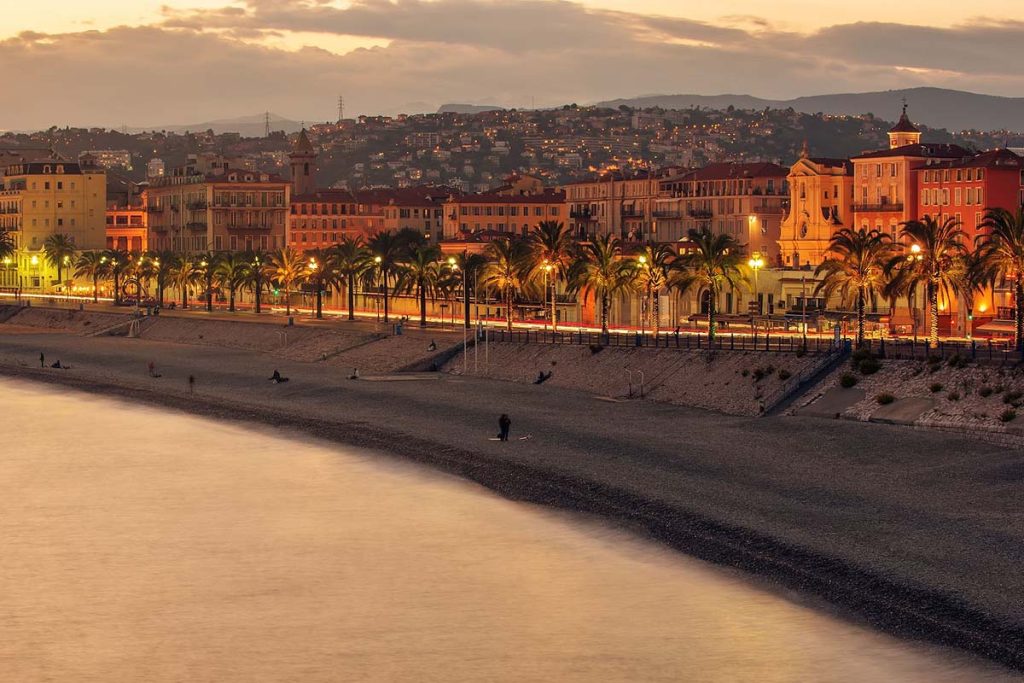
The most famous stretch of seafront in Nice – if not France – is this vast paved promenade, which gets its name from the English expat patrons who paid for it in 1822. It runs for the whole 4km sweep of the Baie des Anges with a dedicated lane for cyclists and skaters; if you fancy joining them, you can rent skates, scooters and bikes from Roller Station.
Along the way, keep an eye out for a few of the promenade’s landmarks, including the Hôtel Negresco, the art-deco Palais de la Méditerranée (1929) and Niçoise sculptor Sabine Géraudie’s giant iron sculpture La Chaise de SAB (2014), which pays homage to the city’s famous blue-and-white beach chairs.
Called "La Prom" by the locals, or "The Bay of Angels", this seven-kilometer-long avenue runs from the airport to the Old Town of Nice.
Colline du Château
For the best views over Nice’s red-tiled rooftops, climb the winding staircases up to this wooded outcrop on the eastern edge of the old town. It’s been occupied since ancient times; archaeological digs have revealed Celtic and Roman remains, and the site was later occupied by a medieval castle that was razed by Louis XIV in 1706 (only the 16th-century Tour Bellanda remains). There are various entrances, including one beside the tower, or you can cheat and ride the free lift.
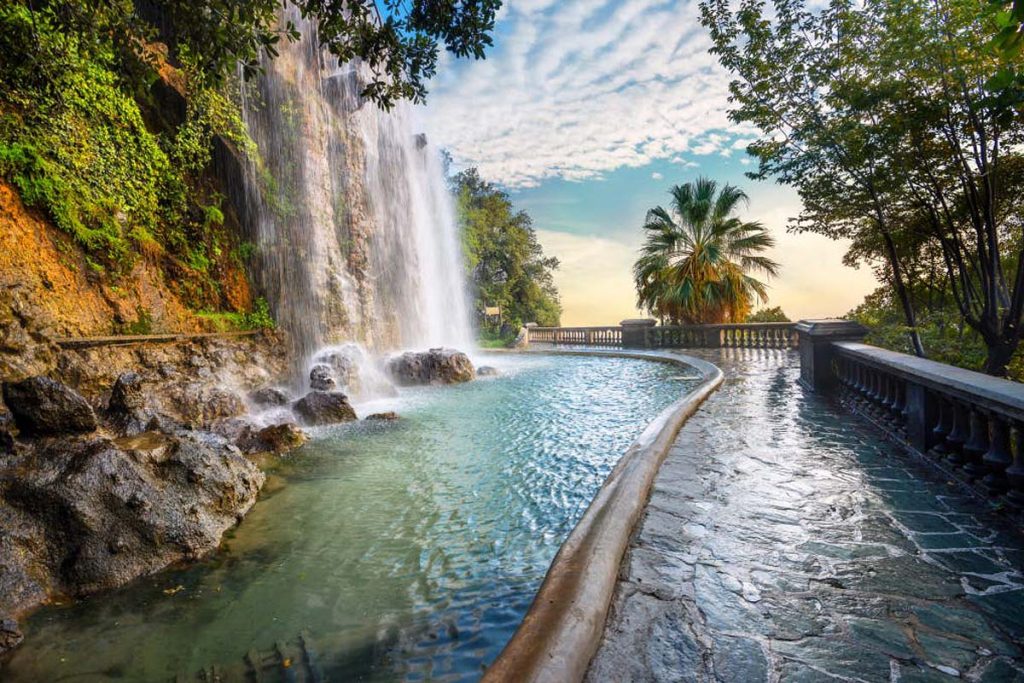
At the top you’ll find plenty of green space and a wealth of stunning views over the old town, the port and inland to the Provençal hills all the way to the Alps. The shady trees offer welcome respite on a blazing hot day, and there’s also an artificial waterfall built during the 18th century.
Musée Matisse
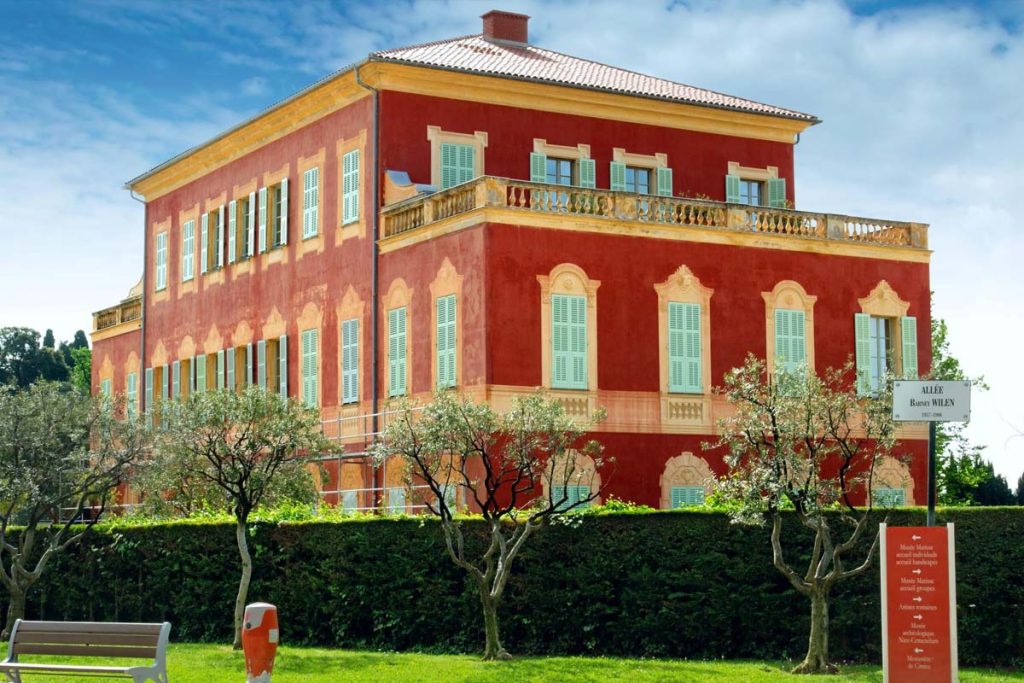
This museum, 2km north of the city centre in the leafy Cimiez quarter, houses a fascinating assortment of works by Matisse, including oil paintings, drawings, sculptures, tapestries and Matisse’s famous paper cut-outs. The permanent collection is displayed in a red-ochre 17th-century Genoese villa in an olive grove. Temporary exhibitions are in the futuristic basement building. Matisse is buried in the Monastère Notre Dame de Cimiez cemetery, across the park from the museum.
Musée d’Art Moderne et d’Art Contemporain
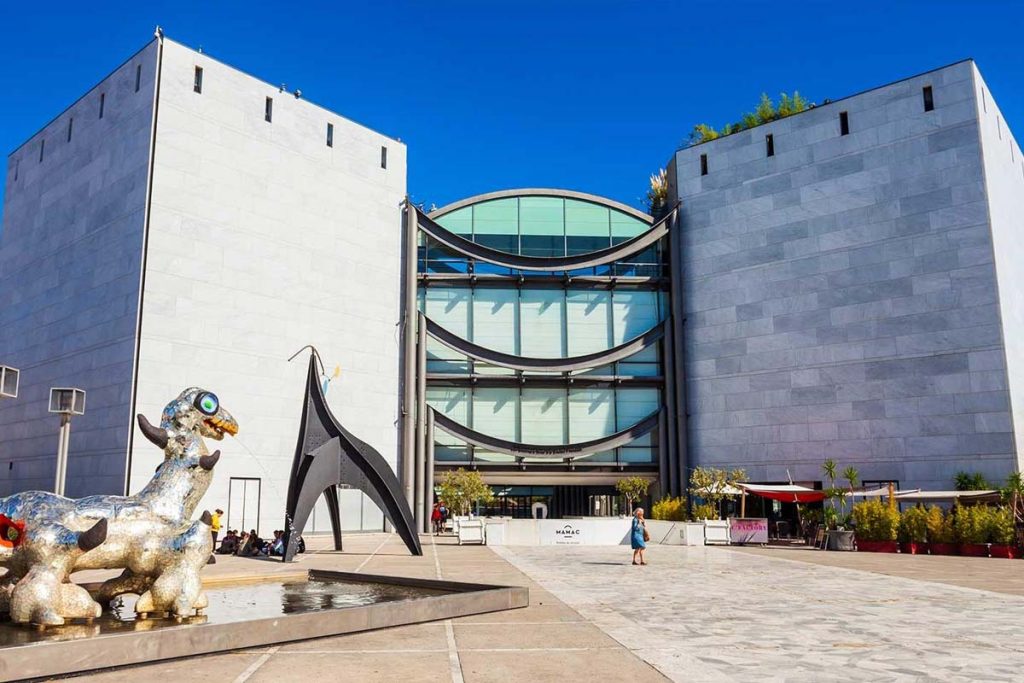
European and American avant-garde works from the 1950s to the present are the focus of this sprawling multilevel museum. Highlights include many works by Christo and Nice’s neorealists: Niki de Saint Phalle, César, Arman and Yves Klein. The building’s rooftop also works as an exhibition space (with knockout panoramas of Nice to boot).
Plage Publique des Ponchettes
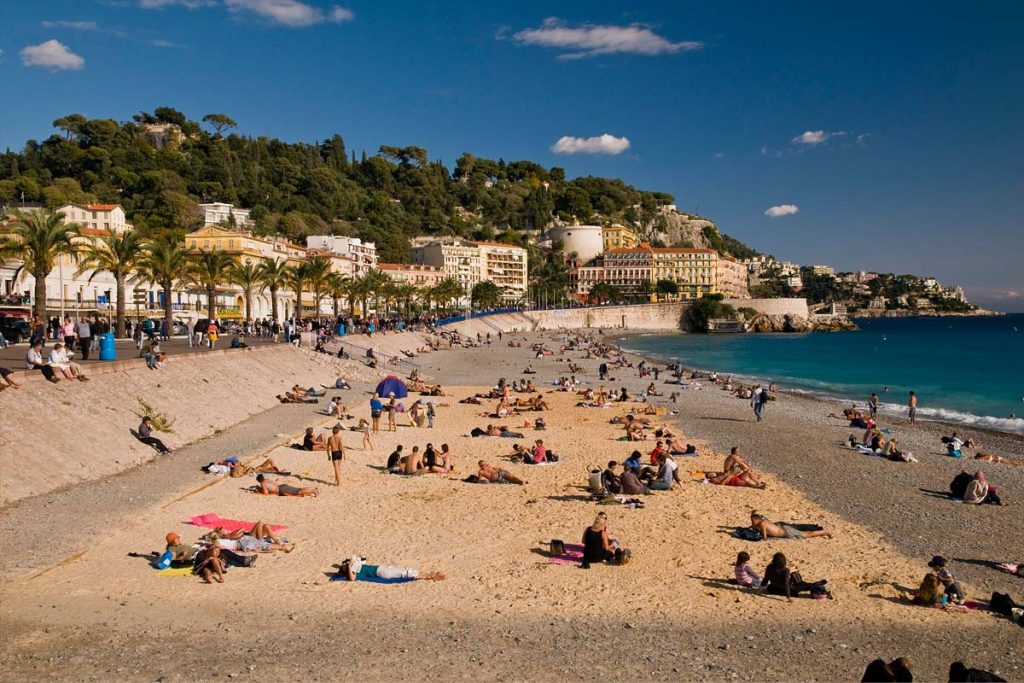
Right opposite Vieux Nice, this is generally the busiest beach of all, with oiled bodies either baking in the sun or punching a ball on the beach-volleyball court.